
Prof. Dr. Olgun Değirmenci graduated from Istanbul University Faculty of Law in 1995. He received his master’s degree from Marmara University in 2002 with a thesis on “Computer Crimes” and his doctorate in 2006 with a thesis on “Laundering of Proceeds of Crime”. He became an associate professor in 2015 with his work “Digital Evidence in Criminal Procedure” and a professor of Criminal and Criminal Procedure Law in 2020.
After continuing his academic career at the Turkish Military Academy, he joined the TOBB University of Economics and Technology Faculty of Law in 2016. He teaches and conducts research at undergraduate and graduate level in criminal law, criminal procedure, military criminal law, cybercrime, cybersecurity and digital forensics. He has also carried out academic work at several institutions of higher education, including METU, Hacettepe University and Gazi University.
The author of more than 20 books, more than 50 scholarly articles and over 100 conference papers at national and international level, he has served on various advisory and scientific commissions of the Ministry of Justice, on the Artificial Intelligence Advisory Board of the Ankara Bar Association, and on other academic and professional boards.
In projects carried out with United Nations agencies, the European Union, the Council of Europe and various international organisations, he has acted as advisor and project lead in the fields of international criminal law, judicial cooperation, juvenile criminal law, human trafficking and alternative dispute resolution.
As Public Law Advisor at BANKO Law Firm, Prof. Dr. Olgun Değirmenci contributes his academic background in criminal and criminal procedure law, information technology law, digital evidence and public law to legal research, scholarly assessment and advisory work.
Key areas
- Criminal law and criminal procedure
- Information technology law and cybercrime
- Digital evidence and digital forensics
- Public law
- International criminal law and judicial cooperation
Prof. Dr. Olgun Değirmenci, 1995 yılında İstanbul Üniversitesi Hukuk Fakültesinden mezun olmuştur. Marmara Üniversitesinde 2002 yılında “Bilişim Suçları” konulu teziyle yüksek lisans, 2006 yılında ise “Suçtan Kaynaklanan Malvarlığı Değerlerini Aklama” konulu teziyle doktora derecesini almıştır. 2015 yılında “Ceza Muhakemesinde Sayısal Delil” başlıklı çalışmasıyla doçent unvanını kazanmış, 2020 yılında Ceza ve Ceza Muhakemesi Hukuku alanında profesör olmuştur.
Akademik kariyerine Kara Harp Okulunda devam eden Değirmenci, 2016 yılında TOBB Ekonomi ve Teknoloji Üniversitesi Hukuk Fakültesine katılmıştır. Ceza hukuku, ceza muhakemesi hukuku, askerî ceza hukuku, bilişim suçları, siber güvenlik ve adli bilişim alanlarında lisans ve lisansüstü düzeyde eğitim ve araştırma faaliyetlerini sürdürmektedir. ODTÜ, Hacettepe Üniversitesi ve Gazi Üniversitesi başta olmak üzere çeşitli yükseköğretim kurumlarında akademik çalışmalar yürütmüştür.
Ulusal ve uluslararası düzeyde 20’den fazla kitabı, 50’den fazla bilimsel makalesi ve 100’ü aşkın akademik bildirisi bulunan Değirmenci; Adalet Bakanlığı bünyesindeki çeşitli danışma ve bilim komisyonları ile Ankara Barosu Yapay Zekâ Danışma Kurulu ve farklı akademik ve mesleki kurullarda görev üstlenmiştir.
Birleşmiş Milletler kuruluşları, Avrupa Birliği, Avrupa Konseyi ve çeşitli uluslararası kuruluşlarla yürütülen projelerde; uluslararası ceza hukuku, adli iş birliği, çocuk ceza hukuku, insan ticareti ve alternatif uyuşmazlık çözüm yöntemleri alanlarında danışmanlık ve proje yürütücülüğü görevlerinde bulunmuştur.
Prof. Dr. Olgun Değirmenci, BANKO Law Firm bünyesinde Kamu Hukuku Danışmanı olarak yer almakta olup; ceza ve ceza muhakemesi hukuku, bilişim hukuku, dijital deliller ve kamu hukuku alanlarındaki akademik birikimiyle hukuki araştırma, bilimsel değerlendirme ve danışmanlık çalışmalarına katkı sunmaktadır.
Başlıca Çalışma Alanları
- Ceza hukuku ve ceza muhakemesi hukuku
- Bilişim hukuku ve bilişim suçları
- Dijital deliller ve adli bilişim
- Kamu hukuku
- Uluslararası ceza hukuku ve adli iş birliği
Meet the rest of the team
 Meltem Banko
Founder & Managing Partner
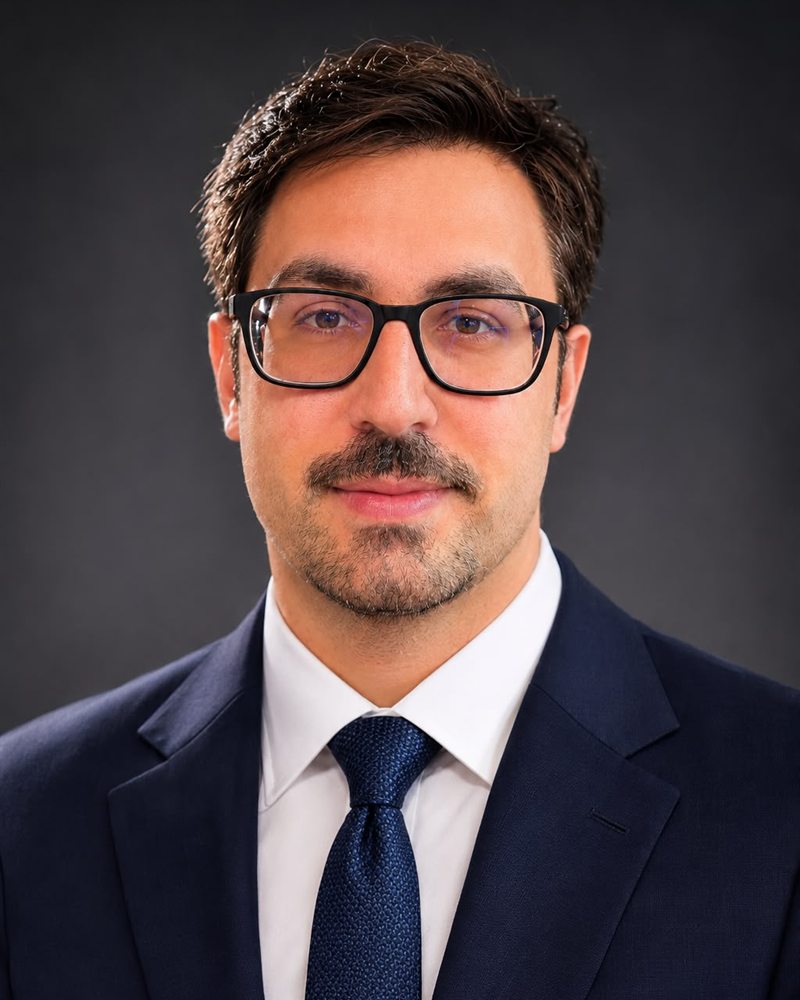 Gökhan Ağzıkara
Managing Attorney
 Merve Kolçak Beyaztaş
Coordinating Attorney
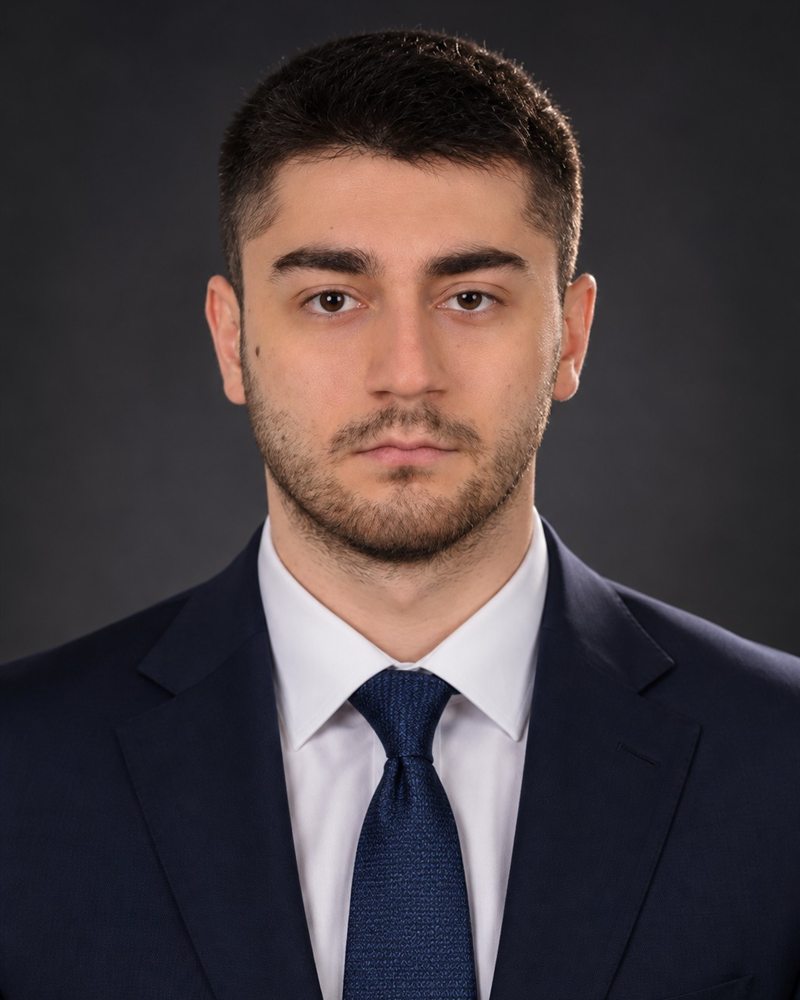 Melih Bilal Paksoy
Attorney at Law
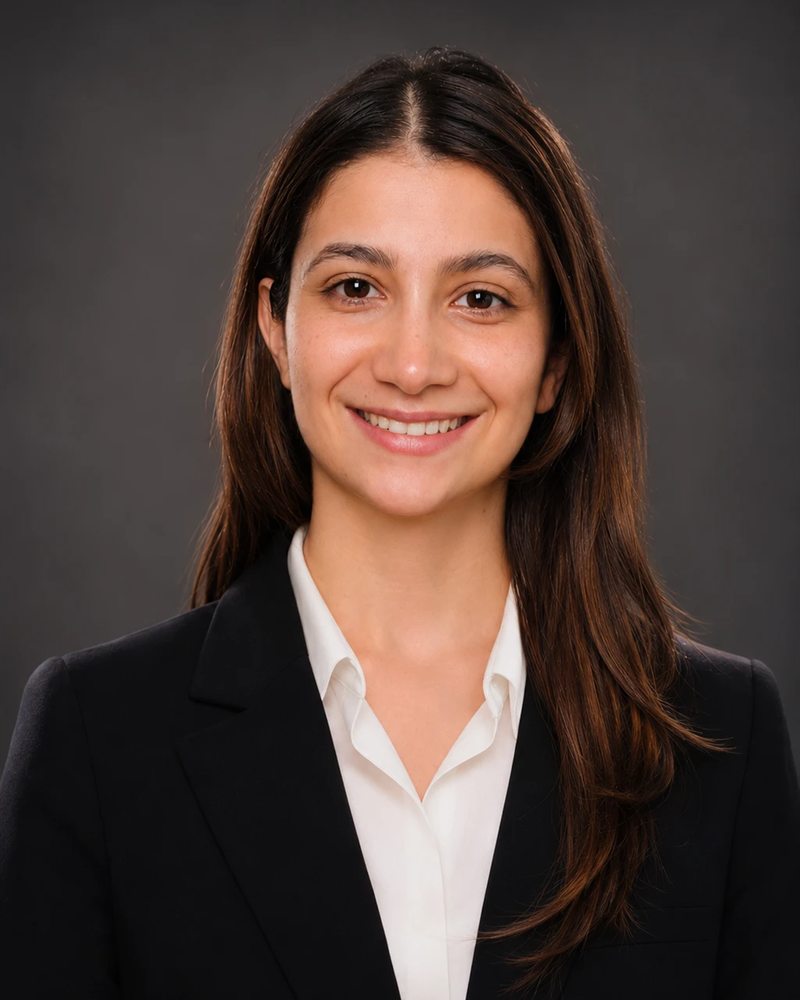 Saadet Nur Duyar
Attorney at Law
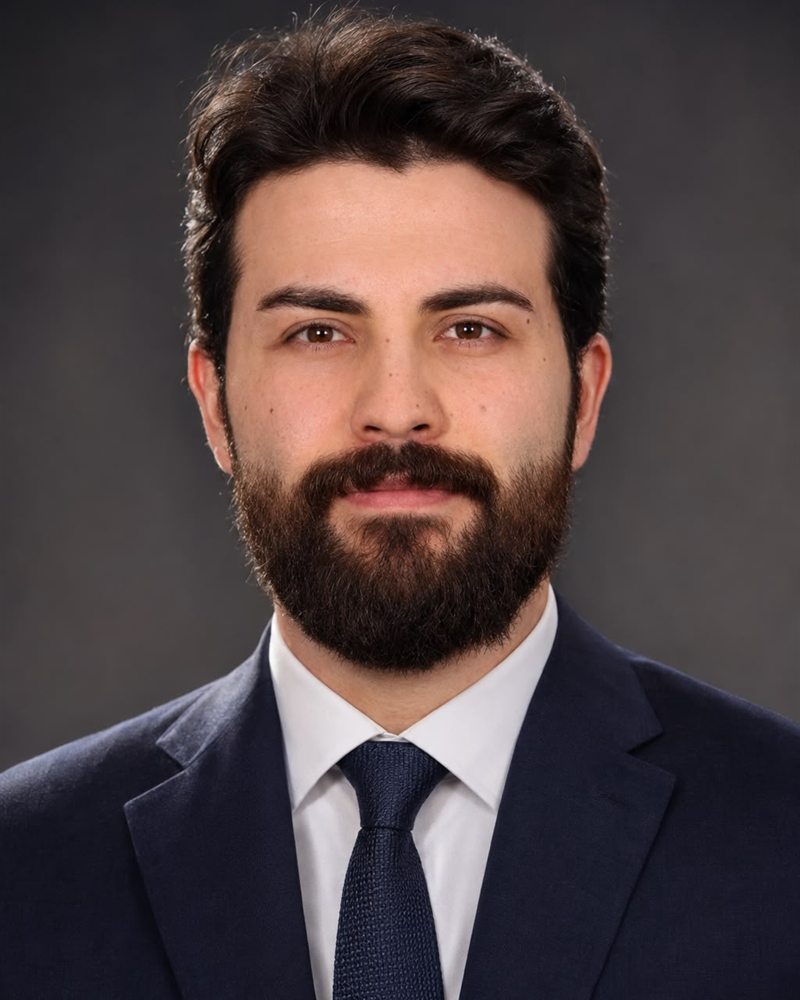 Galip Can Banko
Asia-Pacific Regional Client Relations Coordinator
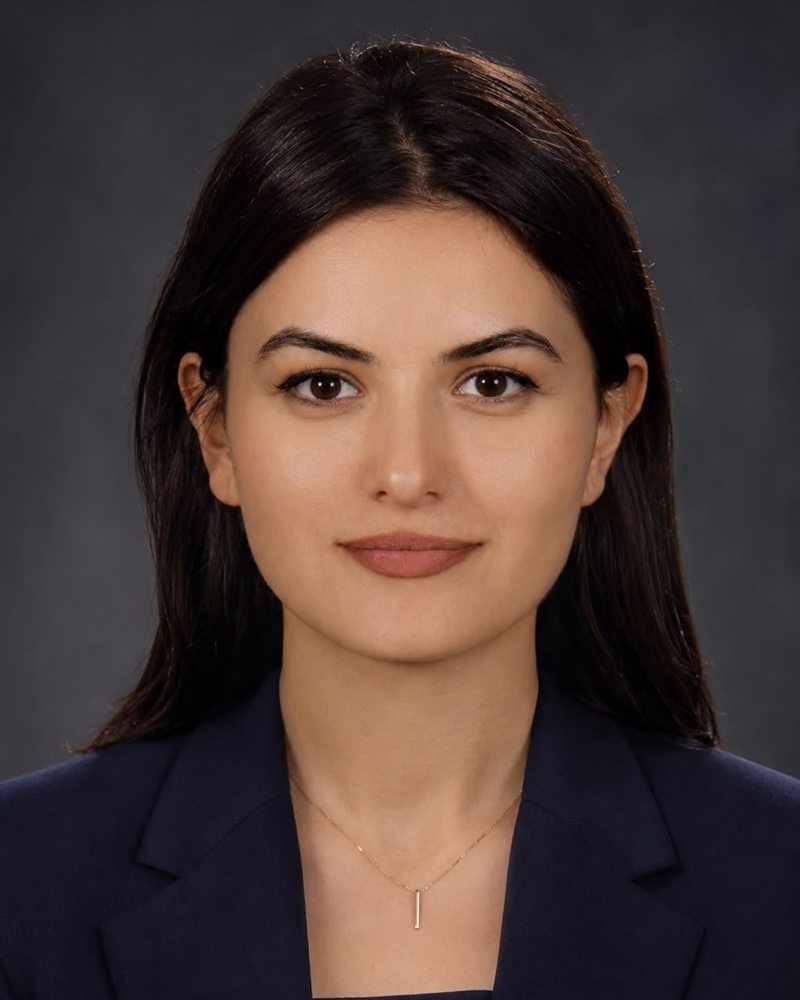 Funda Pelin Acar
Trainee Lawyer
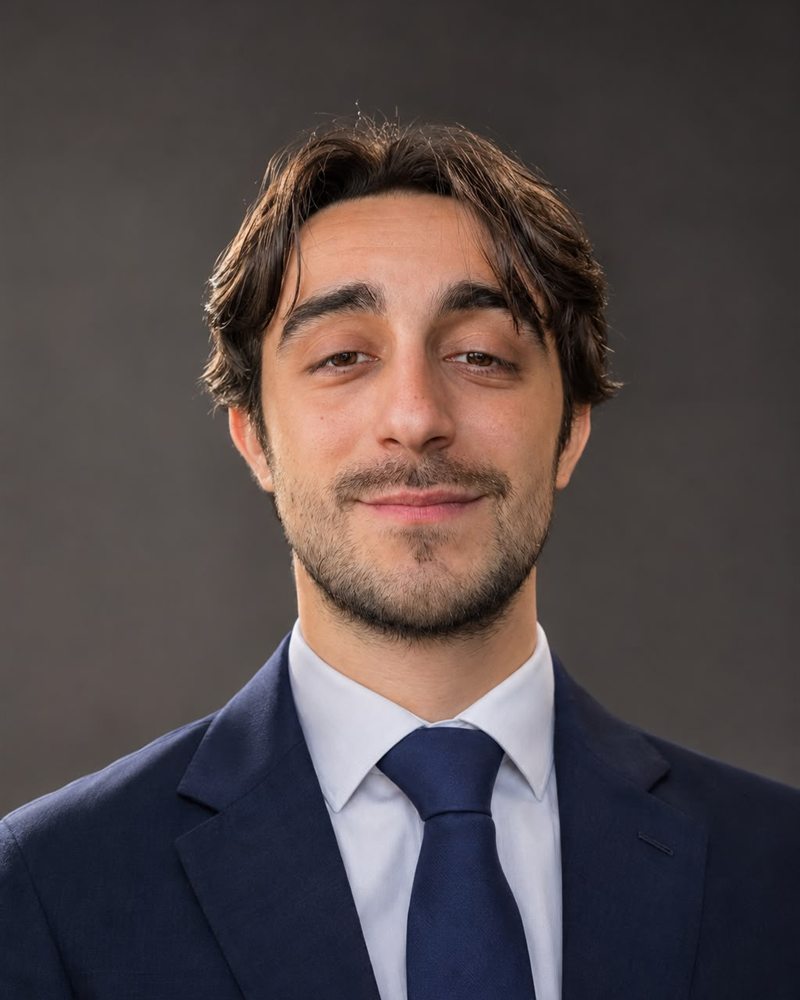 Batuhan Yakar
Trainee Lawyer
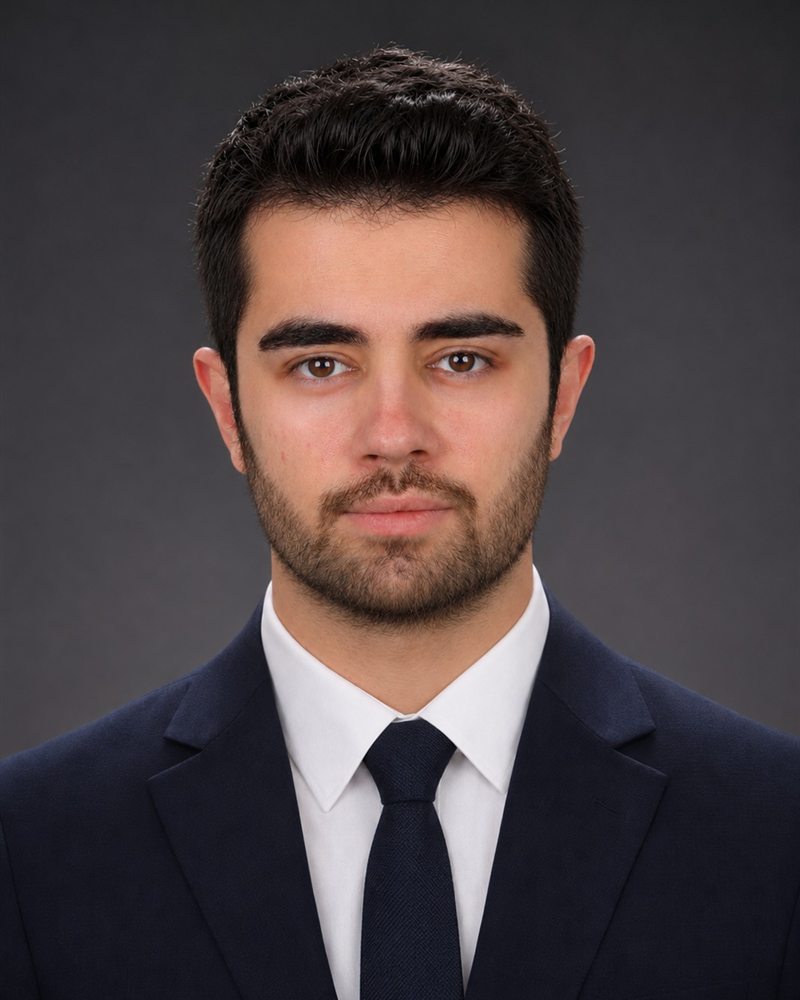 Sertaç Durali Çiçek
Trainee Attorney
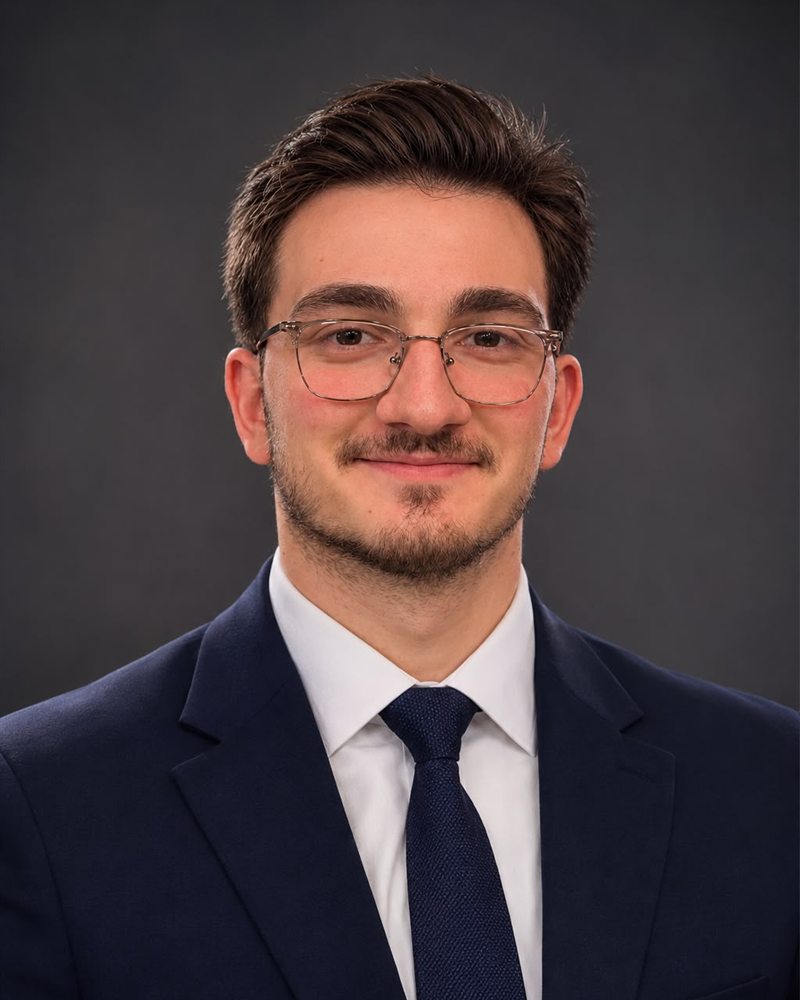 Emirhan Baykal
Legal Intern